
The Convergence of Growth and Protection: How Institutional Web3 Projects Balance Ecosystem Expansion with Security Operations
For any ambitious Web3 protocol, ecosystem growth is the lifeblood of success. The vibrant tapestry of developers, users, and third-party applications that build on and around a core protocol is what transforms a piece of technology into a living, breathing digital economy. To foster this growth, protocols have developed a powerful toolkit of incentives, including developer grants, hackathons, and ambassador programs. These initiatives are designed to attract talent, spur innovation, and accelerate adoption. However, for an institutional-grade protocol, this drive for rapid expansion creates a fundamental tension with another, equally important imperative: the unwavering commitment to security and risk management.
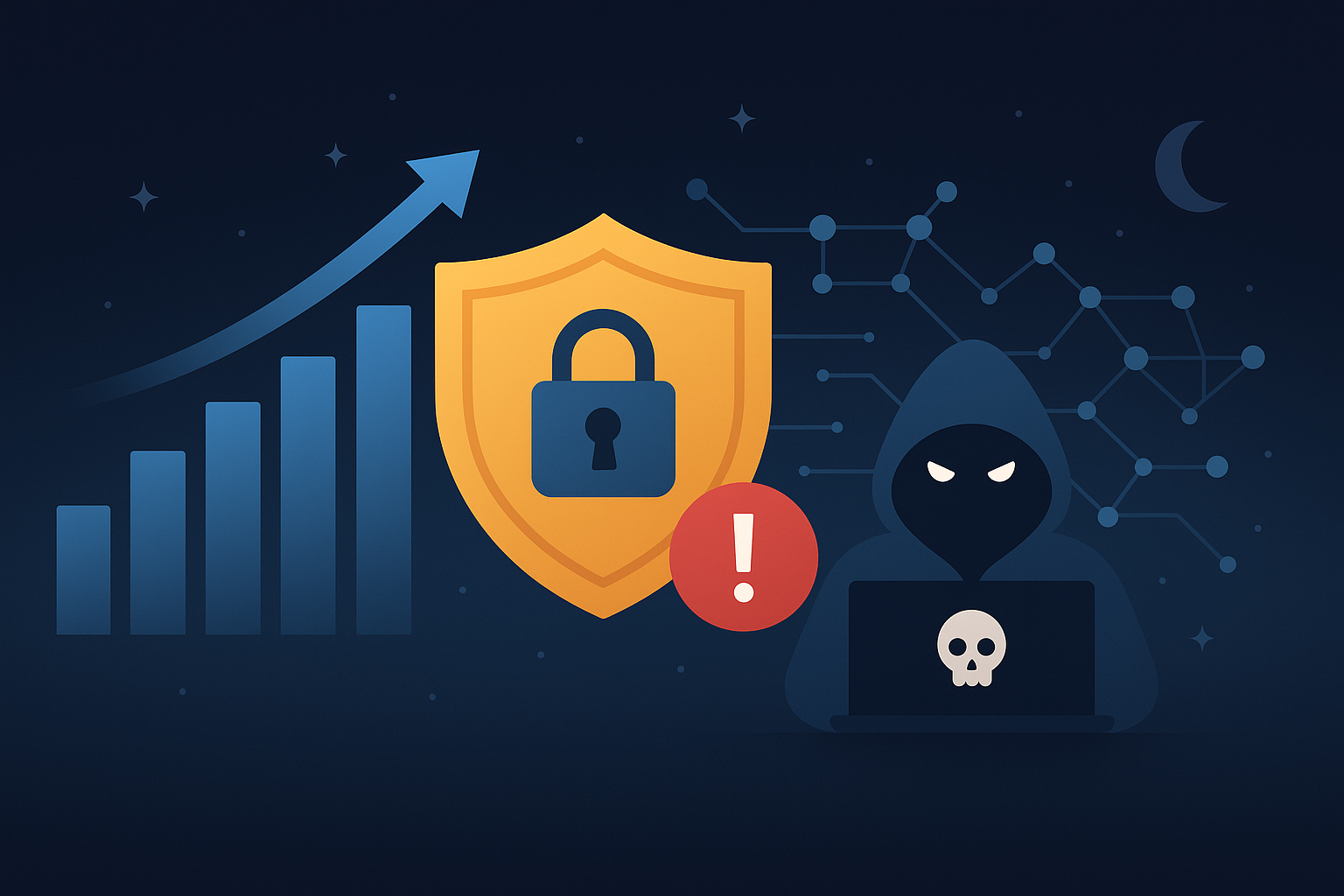 Image: The rapid growth of a Web3 ecosystem, while essential for success, introduces new and complex security challenges that must be managed with institutional-grade rigor.
This is the central strategic challenge for the modern Web3 enterprise: how to balance the often-conflicting demands of growth and protection. On the one hand, an overly restrictive, security-obsessed approach can stifle innovation and create a barren, lifeless ecosystem. On the other hand, a reckless, "growth at all costs" mindset can open the door to catastrophic security breaches, regulatory blowback, and a complete erosion of institutional trust. The protocols that will dominate the next decade of Web3 will be those that can master this delicate balancing act, creating a framework where growth and protection are not seen as opposing forces, but as two sides of the same coin.
The stakes are incredibly high. As institutional capital flows into the space, the expectations for security and risk management have been raised to a new level. A family office or a sovereign wealth fund will not invest in a protocol that cannot demonstrate a mature, professional approach to managing the risks associated with a rapidly expanding ecosystem [1]. They understand that every new application, every new developer grant, and every new integration represents a potential new attack vector. They need to see that the protocol has a comprehensive strategy for managing this expanded threat surface.
The Inherent Tension: Why Growth Creates Risk
The tension between ecosystem growth and security is not theoretical; it is a practical, operational reality that manifests in several key areas.
- Third-Party Application Risk: The more applications that are built on a protocol, the greater the risk that a vulnerability in one of those applications could have a cascading effect on the entire ecosystem. A poorly coded DeFi protocol, for example, could be exploited in a way that drains liquidity from the core protocol or destabilizes its economic model.
- Developer Grant and Hackathon Risk: While grants and hackathons are powerful tools for attracting talent, they can also attract malicious actors. A developer who receives a grant could introduce a backdoor into their code, or a hackathon project could be a Trojan horse for a future exploit. Vetting and monitoring these developers is a significant operational challenge.
- Integration Risk: Every time a protocol integrates with another protocol, a bridge, or an oracle, it inherits a portion of that system's risk. A vulnerability in a third-party bridge, for example, could lead to a massive loss of assets from the protocol's ecosystem, even if the core protocol itself is perfectly secure.
- Reputational Risk: If a high-profile application in a protocol's ecosystem is hacked, the reputational damage will inevitably splash back onto the core protocol itself, regardless of who is technically at fault. This can erode user trust and deter institutional investment.
Managing these risks requires a new, more holistic approach to security—one that extends beyond the core protocol and encompasses the entire ecosystem.
A Framework for Sustainable Growth: Integrating Security into the Ecosystem Flywheel
The solution to this challenge is not to abandon growth initiatives, but to integrate security into the very fabric of the ecosystem development process. This means creating a framework where security is not a gatekeeper that says "no," but a partner that enables sustainable, responsible growth. This framework has four key components.
1. A Tiered and Risk-Based Approach to Developer Onboarding
Not all developers and projects are created equal. A protocol should implement a tiered system for developer onboarding, where the level of support and integration is tied to the level of security scrutiny a project has undergone. This could look like:
- Tier 1 (Sandbox): New and un-vetted developers can build in a sandboxed environment with limited access to the mainnet and a small amount of grant funding. This allows for permissionless innovation while containing the potential blast radius of any security failures.
- Tier 2 (Incubated): Projects that show promise can be invited into an incubation program where they receive more significant funding and technical support, in exchange for undergoing a rigorous security audit and adhering to the protocol's security best practices.
- Tier 3 (Certified Partner): Projects that have a proven track record of security and have achieved a high level of adoption can be designated as "certified partners," receiving the highest level of co-marketing and integration support. This creates a powerful incentive for projects to invest in security.
2. Security as a Service for the Ecosystem
Rather than leaving every project in the ecosystem to fend for itself, a mature protocol can provide "security as a service" to its developers. This not only raises the overall security posture of the ecosystem but also creates a powerful incentive for developers to build on that protocol.
 Image: A mature protocol can provide "security as a service" to its ecosystem, offering tools, expertise, and monitoring to help developers build more secure applications.
This could include:
- Subsidized Audits: Providing grants to cover the cost of security audits from reputable firms.
- Shared Security Tooling: Providing access to a suite of security tools, such as static analysis and formal verification software.
- Ecosystem-Wide Monitoring: Extending the protocol's own crypto-native SOC to monitor the on-chain activity of key applications in the ecosystem, providing early warnings of potential threats [2].
By making it easier and cheaper for developers to build securely, a protocol can create a powerful competitive advantage.
3. A Robust and Transparent Governance Framework for Risk Management
Ultimately, the management of ecosystem-wide risk is a matter of governance. A protocol must have a clear and transparent process for making decisions about which projects to support, which integrations to approve, and how to respond to security incidents.
This requires a dedicated risk management committee within the protocol's DAO or foundation. This committee should be staffed by experts in security, finance, and law, and it should be responsible for:
- Developing a formal risk management framework for the ecosystem.
- Conducting due diligence on all projects seeking significant grants or integrations.
- Making recommendations to the community on risk-related matters.
- Overseeing the response to any security incidents that occur within the ecosystem.
This formal governance structure provides institutional investors with the assurance that there is a professional and systematic process for managing the inherent risks of a growing ecosystem.
4. A Culture of Shared Responsibility
Finally, the most resilient ecosystems are those that have a strong culture of shared responsibility for security. This means fostering a community where developers are encouraged to collaborate on security best practices, to openly disclose vulnerabilities, and to look out for one another.
A protocol can foster this culture by:
- Promoting open-source security tools and standards.
- Hosting security-focused workshops and training sessions for its developer community.
- Creating a generous and well-managed bug bounty program that rewards security researchers for finding and disclosing vulnerabilities.
- Leading by example, by being transparent about its own security practices and by responding to incidents in a calm, professional, and community-focused manner.
Conclusion: Growth and Protection in Harmony
The tension between ecosystem growth and security is one of the most significant strategic challenges facing Web3 protocols today. However, it is not an intractable one. By moving beyond a siloed approach and embracing a holistic framework that integrates security into the very fabric of the ecosystem development process, protocols can create a virtuous cycle where growth and protection are mutually reinforcing.
A secure ecosystem is a more attractive ecosystem for users, developers, and institutional investors. And a growing ecosystem provides the resources and the network effects to invest in even more robust security. The protocols that master this delicate dance will be the ones that not only survive the next bear market but also build the foundational platforms for the next generation of the decentralized web. For the institutional investors who are looking for long-term, sustainable value, this commitment to balancing growth and protection is the ultimate green flag.
References
[1] Our previous analysis, "What Family Offices Actually Look for in Web3 Investments: Beyond the Pitch Deck"
[2] Our previous analysis, "What Crypto-Native SOC Really Means: Why Traditional Cybersecurity Fails Web3 Infrastructure"
[3] Blockdaemon. (n.d.). Blockchain Security & Compliance | ISO 27001 & SOC 2 Type II Certified. Retrieved November 30, 2025, from https://www.blockdaemon.com/security


