
The Cabinet-Level Advisory Gap in Web3: Why Protocols Need Strategic Counsel Beyond Technical Excellence
In the canonical narrative of Web3 success, the story often begins with a brilliant technical founder, a groundbreaking whitepaper, and a surge of venture capital. This formula has produced protocols with elegant code, novel consensus mechanisms, and treasuries flush with cash. Yet, time and again, the ecosystem has witnessed these technically superior and well-funded projects falter, not because of a flaw in their code, but because of a blind spot in their strategy. They are outmaneuvered in complex regulatory negotiations, they fail to build the trust required for institutional adoption, and they misread the geopolitical currents that are increasingly shaping the flow of global capital. The root cause of these failures is a critical, and often unrecognized, deficiency: the cabinet-level advisory gap.
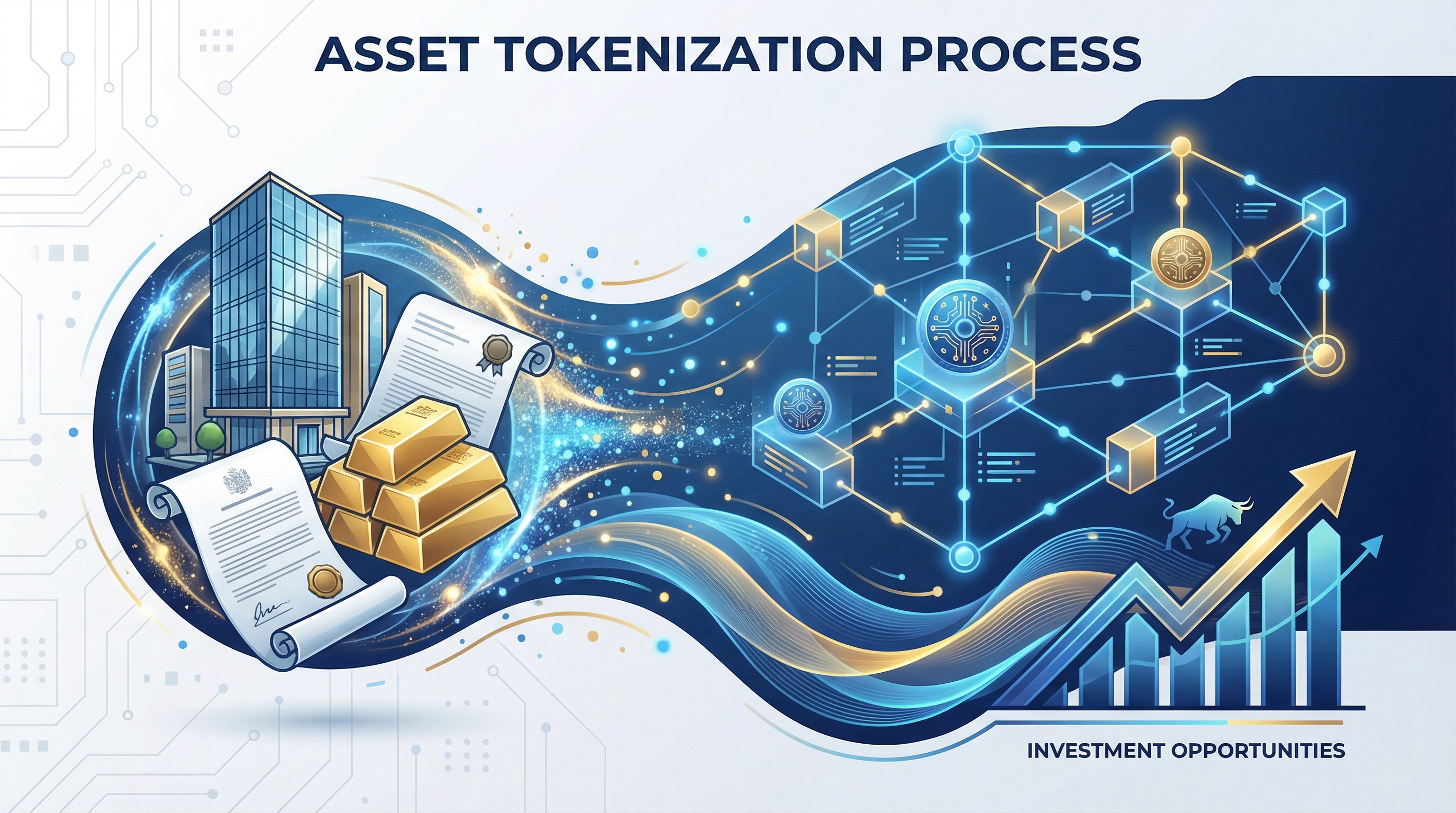 Image: Strategic planning in Web3 requires a level of counsel that goes far beyond technical and financial considerations, encompassing geopolitics, multi-jurisdictional regulation, and institutional relationship management.
In the traditional corporate world, no major enterprise would dare to navigate the complexities of global markets without a "cabinet" of senior advisors. This inner circle—comprising seasoned experts in international law, government relations, public policy, and reputational risk management—provides the strategic counsel that allows a CEO to see around corners, anticipate threats, and seize opportunities. In Web3, however, this level of advisory has been conspicuously absent. The focus has been almost exclusively on technical talent and venture funding, leaving founders to navigate the treacherous waters of global strategy with a dangerously incomplete toolkit.
This gap is no longer sustainable. As Web3 matures from a retail-driven speculative market to an institutionally-dominated financial ecosystem, the rules of the game are changing. Success is no longer just about having the best technology; it is about having the most resilient and adaptable strategy. As a recent report from the Carnegie Endowment for International Peace astutely observes, the rise of digital finance in regions like the Gulf Cooperation Council (GCC) is not just a technological shift, but a deliberate geopolitical repositioning [1]. Protocols that fail to understand and engage with this higher-level strategic game will be left behind, regardless of how elegant their code may be.
The Three Dimensions of the Advisory Gap
The cabinet-level advisory gap manifests in three critical areas where technical and financial expertise alone are insufficient.
1. Geopolitical and Regulatory Blindness
Many Web3 founders, often hailing from engineering backgrounds, view the world as a flat, borderless network. This is a dangerous misconception. The reality is that the digital world is becoming increasingly fragmented along geopolitical lines. Nations are actively developing digital asset strategies as instruments of economic policy and national security. The U.S. is grappling with how to regulate the industry, the EU has implemented its comprehensive MiCA framework, and the GCC states are leveraging digital finance to pivot towards new economic alliances with BRICS+ nations [1].
Navigating this requires a level of geopolitical and regulatory acumen that is simply not found in a typical startup team. A cabinet-level advisor with experience in international relations and public policy can provide the crucial context that allows a protocol to:
- Anticipate Regulatory Shifts: By monitoring policy debates and engaging with regulators, they can provide early warnings of new laws that could impact the protocol, allowing the team to adapt its strategy proactively rather than reactively.
- Tailor Market Entry Strategies: They can provide the nuanced understanding of local political and economic priorities required to succeed in complex markets like the Middle East or Southeast Asia. For example, understanding that RWA tokenization aligns with the principles of Islamic finance is a strategic insight that can unlock vast pools of capital in the GCC [2].
- Manage Sovereign Risk: They can assess the risks and opportunities associated with operating in different jurisdictions, helping the protocol to diversify its operations and avoid over-exposure to any single regulatory regime.
Without this counsel, protocols are flying blind, making them vulnerable to sudden regulatory crackdowns, political headwinds, and missed strategic opportunities.
2. The Institutional Trust Deficit
Institutional investors—the family offices, pension funds, and sovereign wealth funds that represent the next wave of capital in Web3—operate on a different set of principles than retail traders or venture capitalists. They are not just investing in a token; they are entering into a long-term partnership with an organization. This requires a deep level of trust, and that trust is built on more than just a compelling pitch deck.
 Image: Building trust with institutional investors requires demonstrating a level of operational maturity, governance, and strategic foresight that mirrors traditional finance.
Institutions conduct exhaustive due diligence that goes far beyond the code. They scrutinize a project's governance structure, its risk management framework, its compliance policies, and the maturity of its leadership team. A cabinet-level advisor, particularly one with a background in traditional finance or institutional asset management, can be invaluable in bridging this trust deficit. They can help a protocol to:
- Implement Institutional-Grade Governance: Establish the formal board structures, risk committees, and internal controls that institutions expect to see.
- Develop a Professional Narrative: Craft a story that resonates with institutional investors, focusing on long-term value creation, risk mitigation, and responsible stewardship of capital, rather than short-term speculative hype.
- Build Relationships with Key Capital Allocators: Leverage their personal networks and credibility to open doors and build relationships with the key decision-makers at major financial institutions.
As one report on institutional security standards makes clear, achieving certifications like SOC 2 Type II is no longer a luxury, but a baseline requirement for engaging with serious capital [3]. This is the language of institutional trust, and protocols need advisors who can speak it fluently.
3. Reputational Risk in a Transparent World
In the hyper-transparent world of Web3, reputation is everything. The blockchain is an immutable public record, and a single misstep—a poorly worded tweet, an association with a disreputable influencer, or a mishandled community issue—can be permanently etched into the public consciousness. This creates a level of reputational risk that is unprecedented in the traditional corporate world.
Managing this risk requires a level of strategic communication and crisis management expertise that is rarely found in early-stage teams. A cabinet-level advisor with experience in corporate communications and public affairs can provide the steady hand needed to:
- Develop a Proactive Communications Strategy: Craft a clear and consistent narrative that builds trust and credibility with all key stakeholders, from developers and users to regulators and investors.
- Manage Crises Effectively: When a crisis inevitably occurs—a security breach, a regulatory inquiry, or a community backlash—they can provide the experienced counsel needed to navigate the situation calmly, transparently, and effectively, minimizing reputational damage.
- Navigate the Complexities of Influencer Marketing: Provide guidance on how to engage with KOLs in a way that is both effective and compliant, avoiding the regulatory and reputational landmines that litter the influencer landscape.
The SEC's crackdown on influencers who fail to disclose their compensation is a clear signal that the stakes are high [4]. Protocols need senior counsel to ensure they are not inadvertently caught in the crossfire.
Conclusion: Assembling Your Cabinet
The Web3 industry is at an inflection point. The era of purely technology-driven success is giving way to a new era where strategic acumen, regulatory sophistication, and institutional trust are the primary determinants of long-term viability. The most successful protocols of the next decade will be those that recognize this shift and act decisively to fill the cabinet-level advisory gap.
This does not mean abandoning a focus on technical excellence. It means augmenting it. It means recognizing that a world-class engineering team, without world-class strategic counsel, is a high-performance engine without a steering wheel. For founders and investors, the task is clear: look beyond the code and the cap table, and start assembling the cabinet of seasoned advisors who can provide the wisdom, foresight, and strategic guidance required to navigate the complex global landscape that lies ahead. In the institutional era of Web3, it is this cabinet, as much as the code, that will ultimately determine who wins.
References
[1] Kolkaila, A. (2025, May 21). The Future of Cryptocurrency in the Gulf Cooperation Council Countries. Carnegie Endowment for International Peace. Retrieved from https://carnegieendowment.org/research/2025/05/the-future-of-cryptocurrency-in-the-gulf-cooperation-council-countries?lang=en
[2] McKinsey & Company. (2023, August 23). Tokenization: A turning point for digital assets. Retrieved from https://www.mckinsey.com/industries/financial-services/our-insights/tokenization-a-turning-point-for-digital-assets
[3] Blockdaemon. (n.d.). Blockchain Security & Compliance | ISO 27001 & SOC 2 Type II Certified. Retrieved November 30, 2025, from https://www.blockdaemon.com/security
[4] U.S. Securities and Exchange Commission. (2022, October 3). SEC Charges Kim Kardashian for Unlawfully Touting Crypto Security. Retrieved from https://www.sec.gov/news/press-release/2022-183


